
 Written by
 Debunking common myths about gambling What you really need to know
Understanding the Myths Surrounding Gambling
Gambling has long been associated with a variety of myths that can cloud judgment and influence behavior. One prevalent myth is that gambling is purely based on luck. While chance plays a significant role, many games require skill, strategy, and knowledge of the odds. For example, understanding the mechanics of the game can dramatically affect outcomes, especially in skill-based games like poker. Many players also seek options like slots not on gamstop to navigate their choices more wisely.
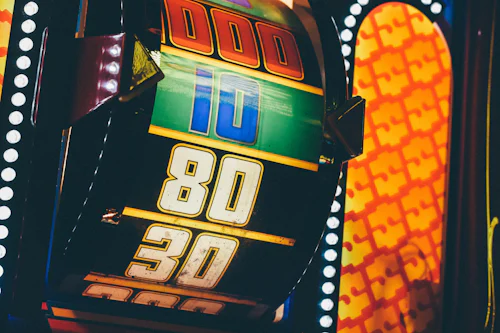
Another common myth is that gambling is a surefire way to make money. While it’s true that some people win big, the reality is that the odds are generally stacked against the player. Most games are designed to ensure that the house has an edge, meaning that over time, players are likely to lose more than they win. A realistic approach to gambling includes understanding these odds and approaching it as a form of entertainment rather than a source of income.
The Illusion of Control in Gambling
Many individuals believe they can control their luck through techniques like betting patterns or rituals. This is known as the “illusion of control.” Players may think that their actions can influence the outcome of a game, which is often not the case. Random number generators and shuffling algorithms in casinos ensure that each game is independent of the last, making it impossible to predict results based on previous outcomes.
This mindset can lead to problematic gambling behaviors, as players may feel compelled to continue betting to regain losses or chase a win. Understanding that luck is random and outside of one’s control is crucial in preventing such behaviors and fostering a healthier relationship with gambling.
The Impact of Gambling on Mental Health
Gambling can significantly impact mental health, yet it is often downplayed in discussions about the activity. Many believe that gambling is a harmless pastime, but for some, it can lead to addiction and serious mental health issues like anxiety and depression. The thrill of winning can create a cycle of dependency, leading individuals to gamble more to recapture that feeling.
It’s essential for both gamblers and their families to recognize the signs of gambling addiction. Seeking help from professionals can mitigate negative consequences and promote healthier coping mechanisms. Understanding the psychological aspects of gambling can empower individuals to make informed choices regarding their participation in gambling activities.
The Role of Luck and Skill in Gambling Games
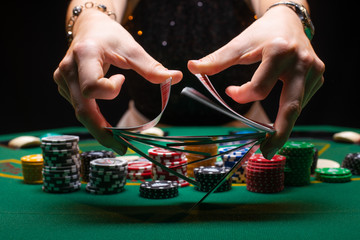
There is often confusion surrounding the balance of luck and skill in gambling. Many players assume that games like slots are purely luck-based, while others, such as poker, are seen as skill-based. However, even in skill-oriented games, luck can play a significant role. Successful players combine skill with an understanding of probability and game theory to maximize their chances of winning.
Conversely, inexperienced players in skill-based games may underestimate the importance of strategy and knowledge, leading them to rely too heavily on luck. This misunderstanding can lead to disappointment and financial loss. Educating oneself about the intricacies of different games can create a more enjoyable and responsible gambling experience.
Resources for Responsible Gambling
For those looking to engage in gambling responsibly, it is crucial to utilize available resources. Many websites offer guidance on navigating the complexities of gambling, helping players avoid common pitfalls and errors. They often provide insights into responsible gaming practices, such as setting limits and recognizing when to walk away.
These resources can also help players understand the measures in place to ensure a safe gaming environment. By staying informed and reaching out for assistance when needed, individuals can enhance their gambling experience while minimizing risks. Engaging with trustworthy resources ensures a healthier and more enjoyable approach to gambling.